
Aircraft Arrival Training
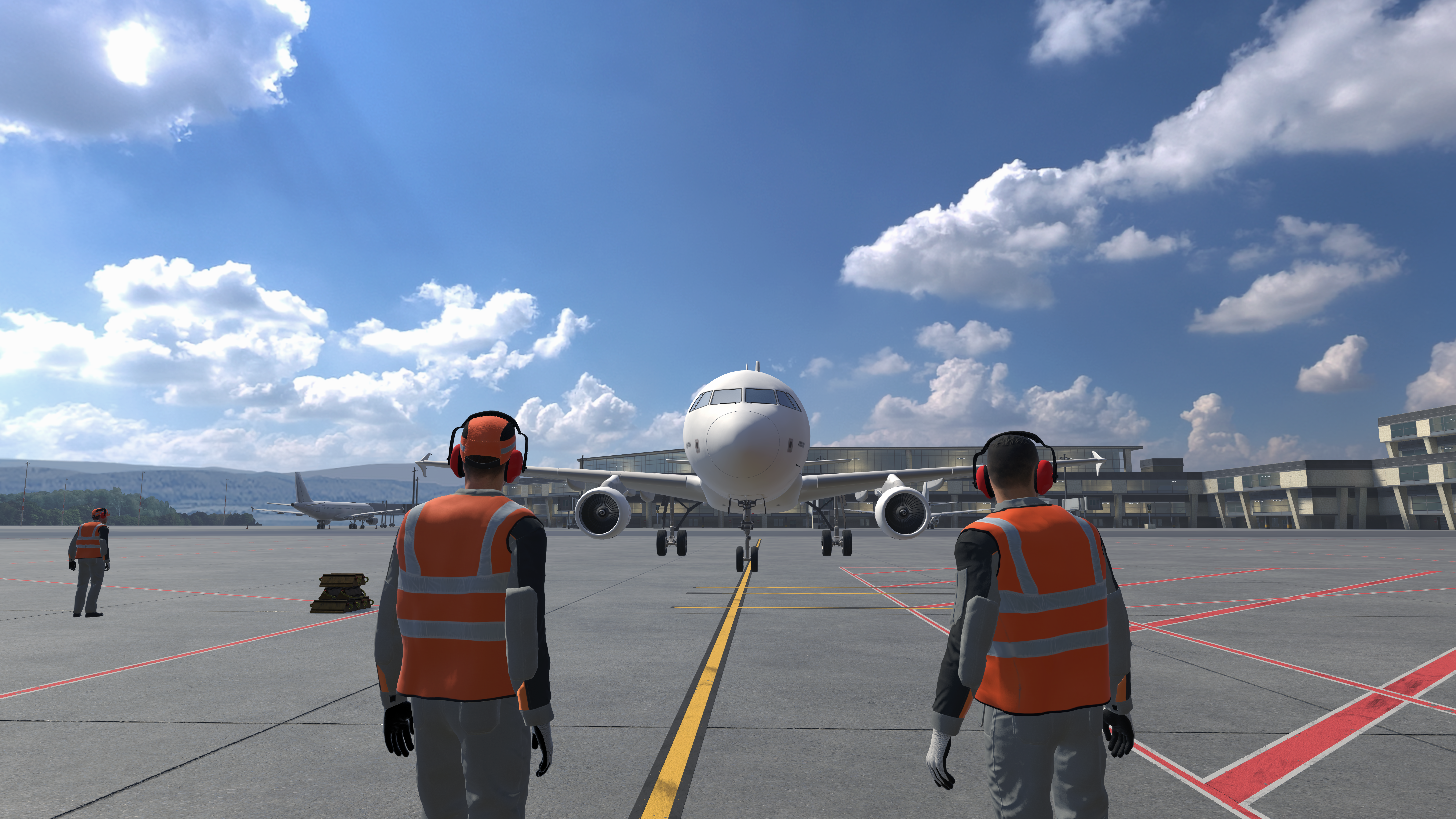
The complete Aircraft Arrival VR Training: From ramp safety preparation and safe aircraft arrival to correct chocking and coning.

Course with 7 lessons covering the full aircraft arrival workflow from preparation to securing.

Covers 18 safety scenarios across ramp safety, aircraft arrival, chocking, and coning procedures.

In-depth aircraft arrival training with 23 learning minutes covering the complete arrival workflow.

Available in 7 languages: English, German, Dutch, Spanish, French, Greek, and Arabic.
Training Content
All use cases covered by Draxon Aircraft Arrival VR Training
Learning Outcomes
Lessons



In use at innovative airports and trusted by industry leaders
















Real Results, Real Feedback
Hear from industry leaders transforming their training programs.
I don't have to rattle off PowerPoint slides anymore. And everyone learns the same thing.
Every step is explained clearly and in detail, making it easy to learn the procedures before going outside. It really bridges the gap between theory and practice
Draxon is easy to use and extremely efficient. Our trainees enjoy the VR trainings, and the knowledge really sticks.


Highlights of the Aircraft Arrival Training Course
Get to know the key outcomes of the Aircraft Arrival VR training.
Correct PPE Use, Every Time
Teaches how to identify, select, and use mandatory PPE consistently, reinforcing compliance-ready behavior across daily ground operations.

Thorough F.O.D Checks
Guides trainees through structured F.O.D inspection routines to spot and remove debris, helping keep apron areas clear and reducing preventable incidents.

Safe Positioning During Aircraft Arrival
Practices safe positioning and awareness during aircraft taxi-in, with immediate feedback to reinforce correct observation points, ERA boundaries, and distances.

Correct Aircraft Securing
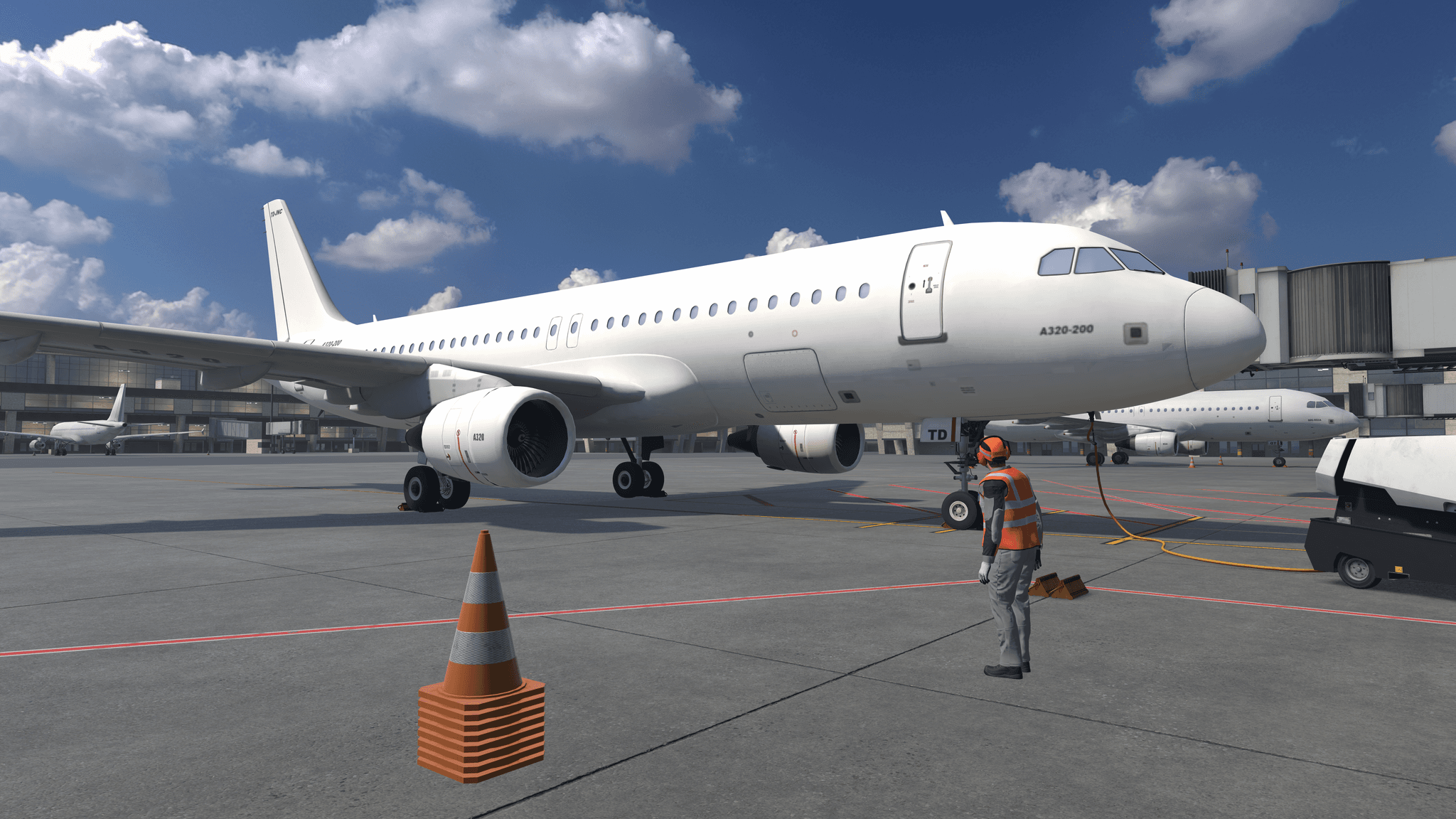
Trains standardized chock placement to prevent unintended aircraft movement and build reliable securing routines before working on live aircraft.

Clear Safety-Zone Coning
Teaches correct cone positioning to establish clear operational boundaries around the aircraft, supporting consistent ground procedures across teams.
Meeting the Highest Industry Standards
IATA
Built to meet IATA’s global operational and safety requirements, supporting standardized and efficient aviation practices.

EASA
Aligned with EASA safety and regulatory standards to ensure consistent, reliable, and compliant aviation training.

GDPR
Designed with full GDPR compliance, ensuring secure data handling, privacy protection, and trusted information management.

Ready to start Aircraft Arrival training?
Get everything you need to roll out VR training for your teams.
Questions? We have answers:
What skills are gained in the Aircraft Arrival VR Training course?
The Aircraft Arrival VR training course covers the complete aircraft arrival workflow. Trainees learn to correctly identify and use mandatory Personal Protective Equipment (PPE), perform structured Foreign Object Debris (F.O.D.) checks, and apply safe positioning and observation practices during aircraft taxi-in. The course also covers aircraft securing procedures: handling and placing chocks to prevent unintended aircraft movement, and positioning cones to establish clear safety zones. Step-by-step guidance and real-time feedback help trainees build the full skill set needed before working on live aircraft.
Are the Aircraft Arrival Training lessons videos to watch?
No, the training lessons are not videos to watch. Draxon’s VR trainings are fully interactive scenarios in which trainees actively perform tasks, make decisions, and receive real-time feedback. This hands-on approach builds procedural accuracy and situational awareness far more effectively than passive video-based training.
Can the Aircraft Arrival VR Training course help reduce time needed for classroom training?
Yes, Draxon’s Aircraft Arrival VR training can reduce the need for traditional classroom instruction. Trainees practice core safety routines and securing procedures directly in a realistic virtual apron environment. Immediate feedback corrects errors in PPE selection, F.O.D. checks, positioning, and chock and cone placement — accelerating understanding and reducing how much instructor-led explanation is needed before supervised on-the-job practice.
What are the benefits of the Aircraft Arrival VR Training for real-world operations?
The training prepares staff for the full aircraft arrival sequence by letting them practice each step repeatedly in a risk-free environment. Trainees build consistent habits for PPE compliance, thorough F.O.D. checks, safe positioning during taxi-in, correct chock placement, and proper safety-zone coning. Mistakes can be made and corrected immediately, helping teams internalize correct behavior faster and reduce the likelihood of errors during live ground operations.
Can people with a tendency to motion sickness do the Aircraft Arrival VR training?
Yes, most people with a tendency to motion sickness can use the training without discomfort. Less than 3% of trainees typically report symptoms. Draxon’s VR trainings are designed for stable working environments with smooth movement and intuitive interactions, keeping the experience comfortable while maintaining high training value.
Is the Aircraft Arrival VR training applicable for initial training?
Yes, the Aircraft Arrival VR Training is well suited for initial training. It introduces new hires to the complete aircraft arrival workflow — PPE compliance, F.O.D. checks, hazard awareness during taxi-in, chock placement, and coning — in a safe virtual environment. Step-by-step guidance and real-time feedback help trainees build the foundational skills and situational awareness expected before working on the live ramp.
Is the Aircraft Arrival VR training applicable for recurrent training?
Yes, the Aircraft Arrival VR Training supports recurrent training by helping experienced staff refresh and standardize their procedures for PPE use, F.O.D. checks, aircraft arrival positioning, and aircraft securing. VR-based recurrent training lets teams practice without disrupting live operations, maintaining high safety standards and consistent performance across ground handling teams.