
Headset Communication
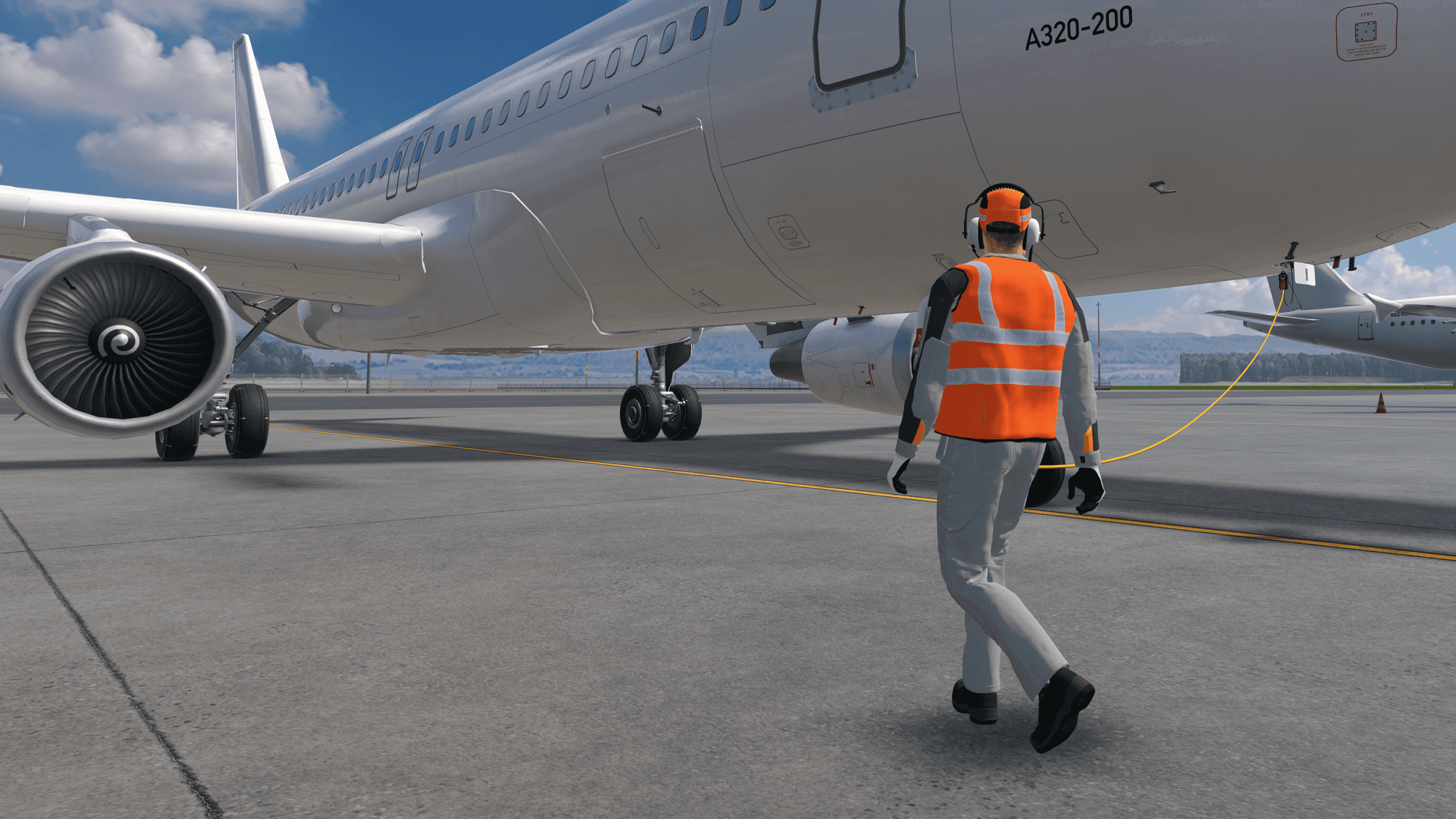
Practical Headset Communication Training in Virtual Reality: Learn to coordinate aircraft pushback operations with the cockpit using standard phraseology, hand signals, and communication procedures.

Module with 7 lessons covering all parts of the pushback process.

Trains exact headset communication procedures using standard aviation phraseology.

In depth headset communication training with 73 training minutes, with more to follow.

Available in 7 languages: English, German, Dutch, Spanish, French, Greek, and Arabic.
Training Content
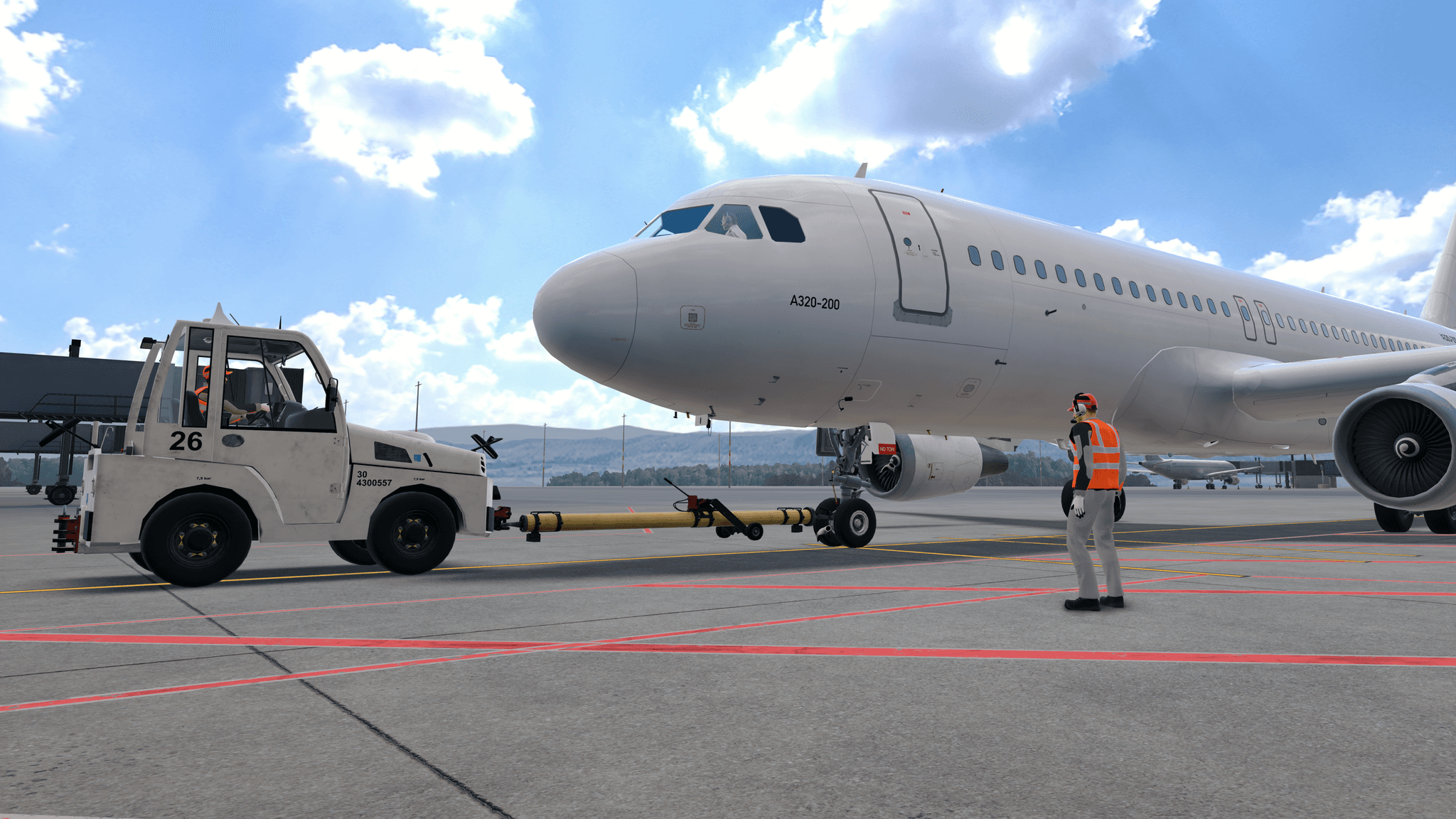
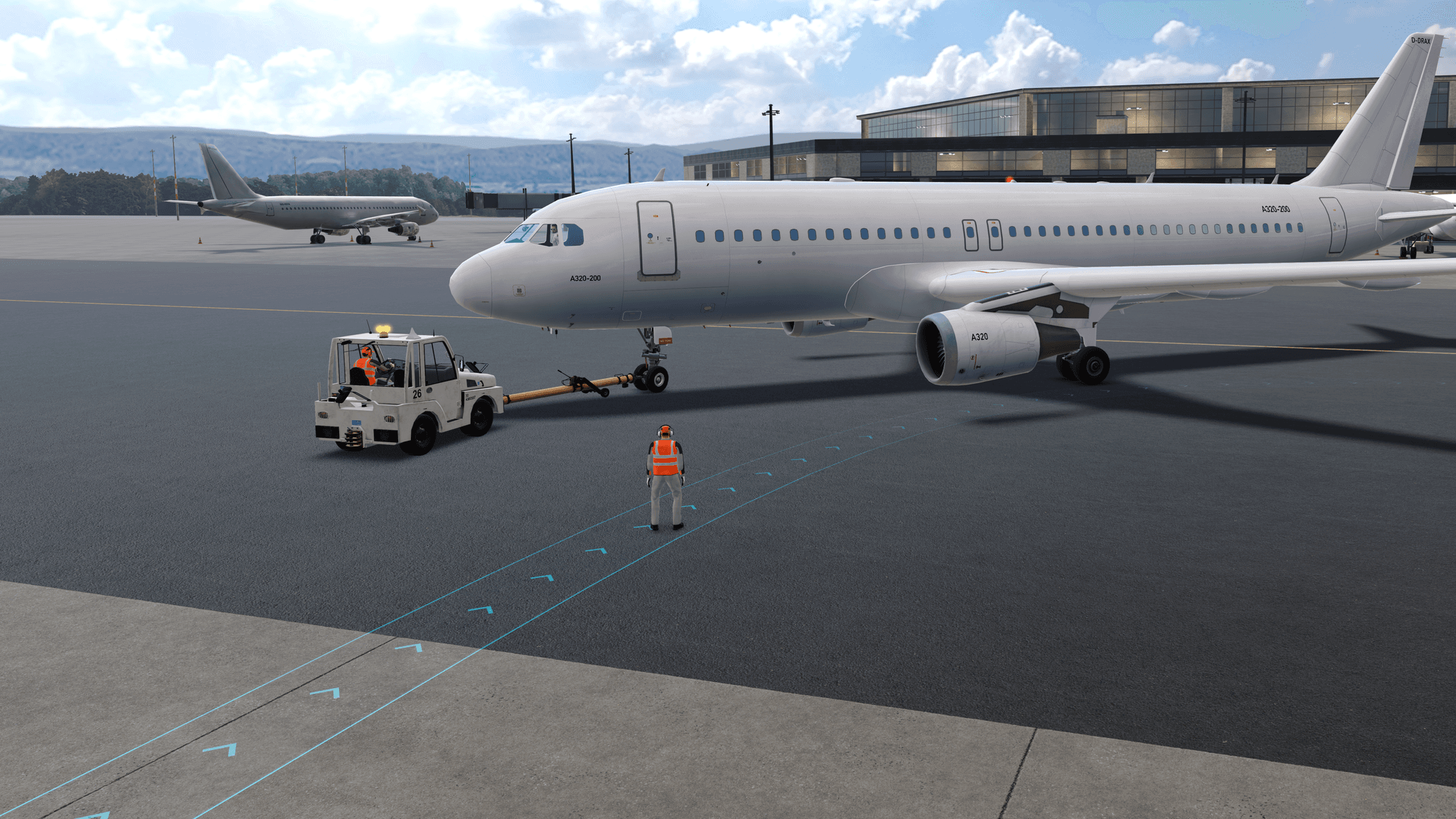
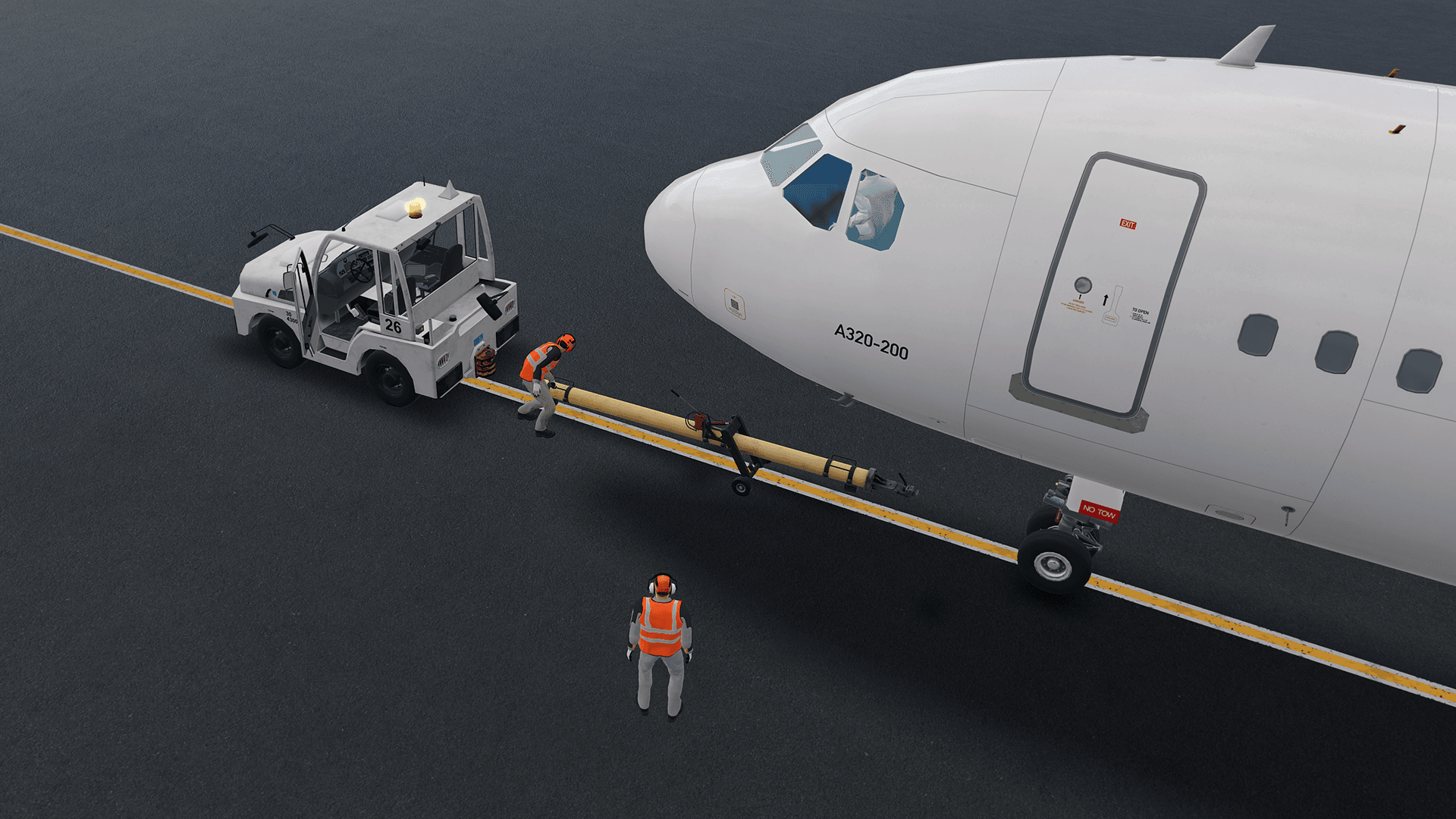
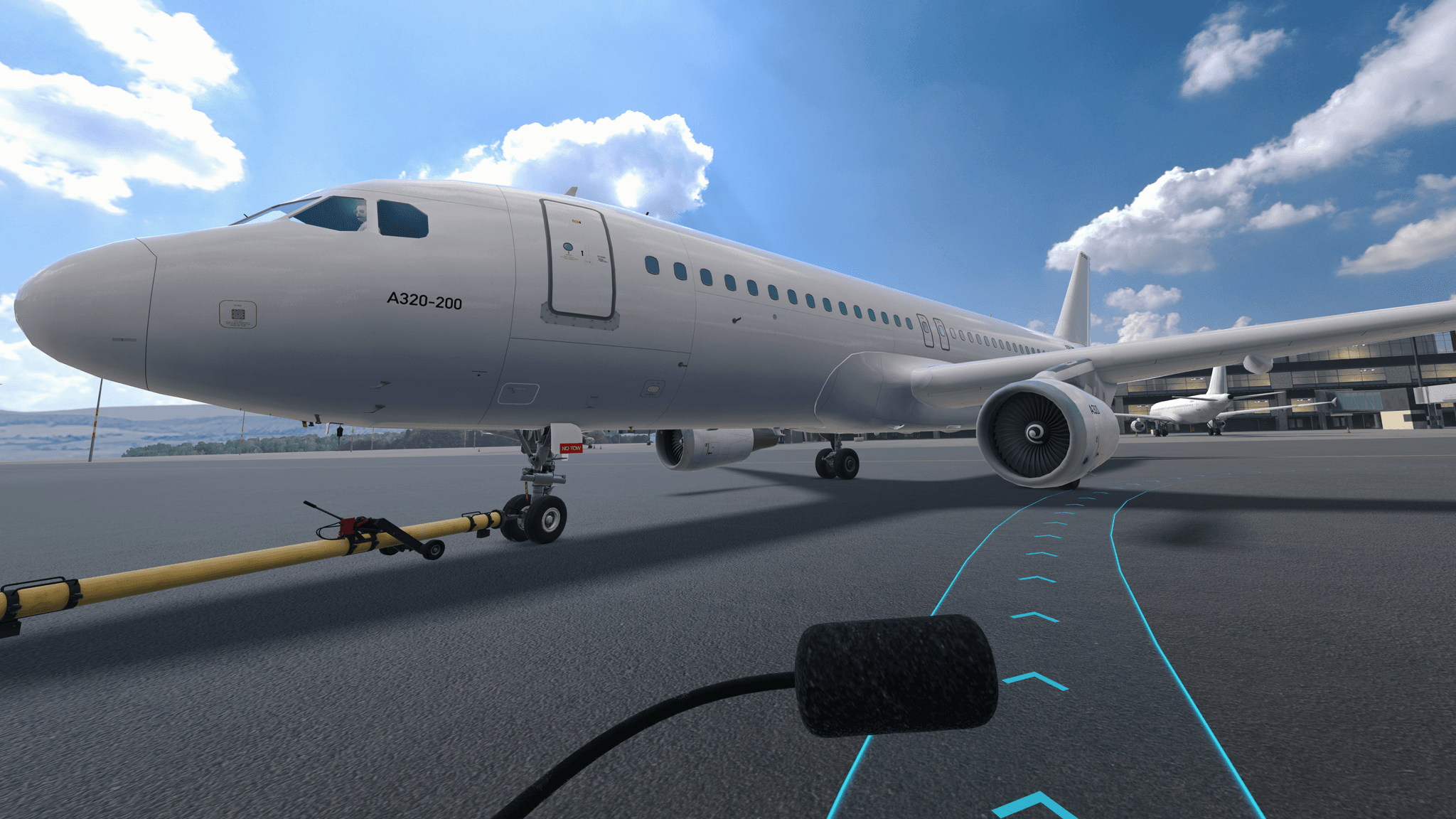
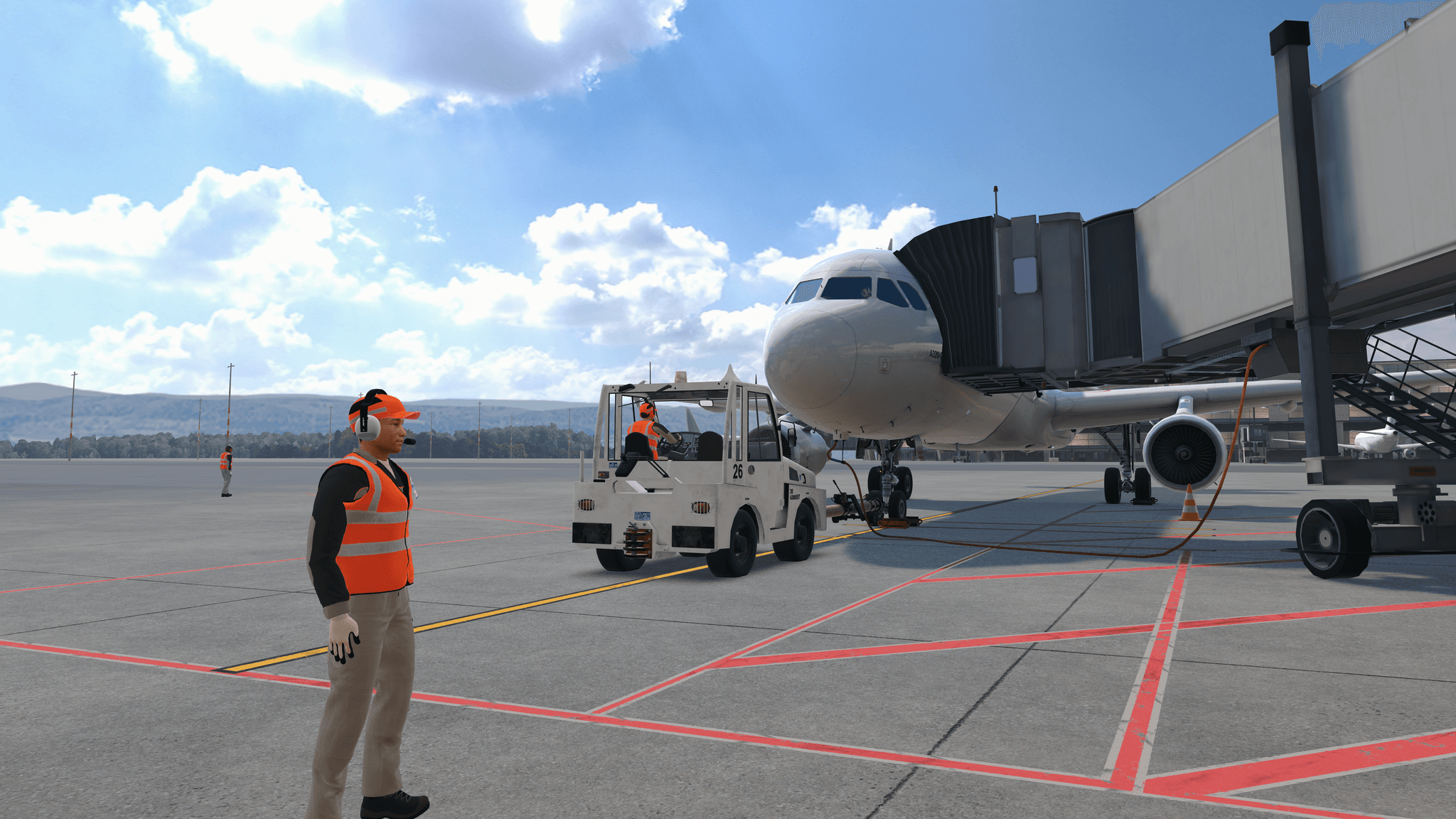
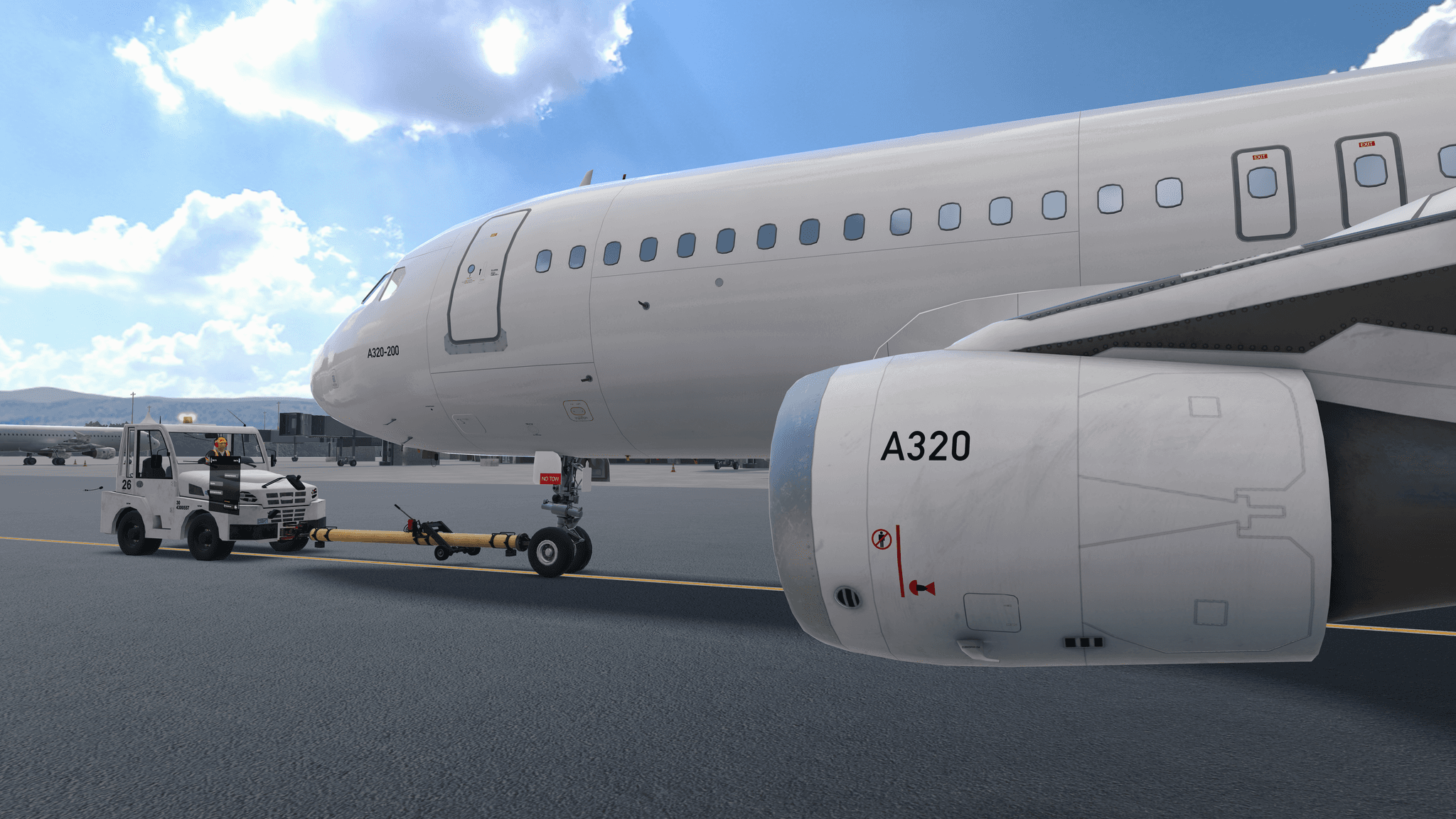
All use cases covered by Draxon Headset Communications VR Training
Learning Outcomes
Lessons
Trusted by 25+ airports and ground handlers worldwide

















Real Results, Real Feedback
Hear from industry leaders transforming their training programs.
I don't have to rattle off PowerPoint slides anymore. And everyone learns the same thing.

Every step is explained clearly and in detail, making it easy to learn the procedures before going outside. It really bridges the gap between theory and practice
Draxon is easy to use and extremely efficient. Our trainees enjoy the VR trainings, and the knowledge really sticks.

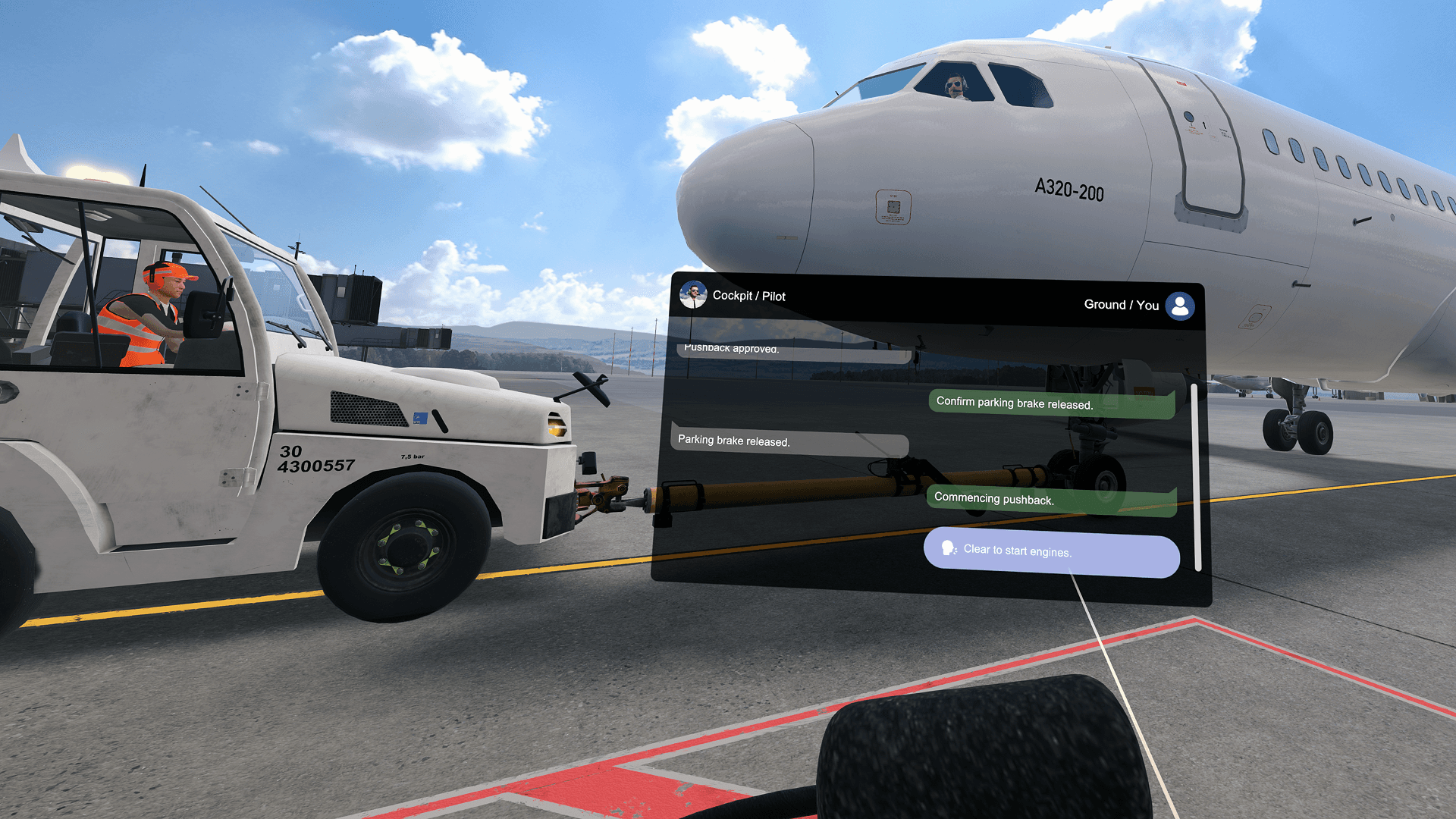
Highlights of the Headset Communication Training Course
Get to know the key outcomes of the Headset Communication VR training.
Active Voice Recognition
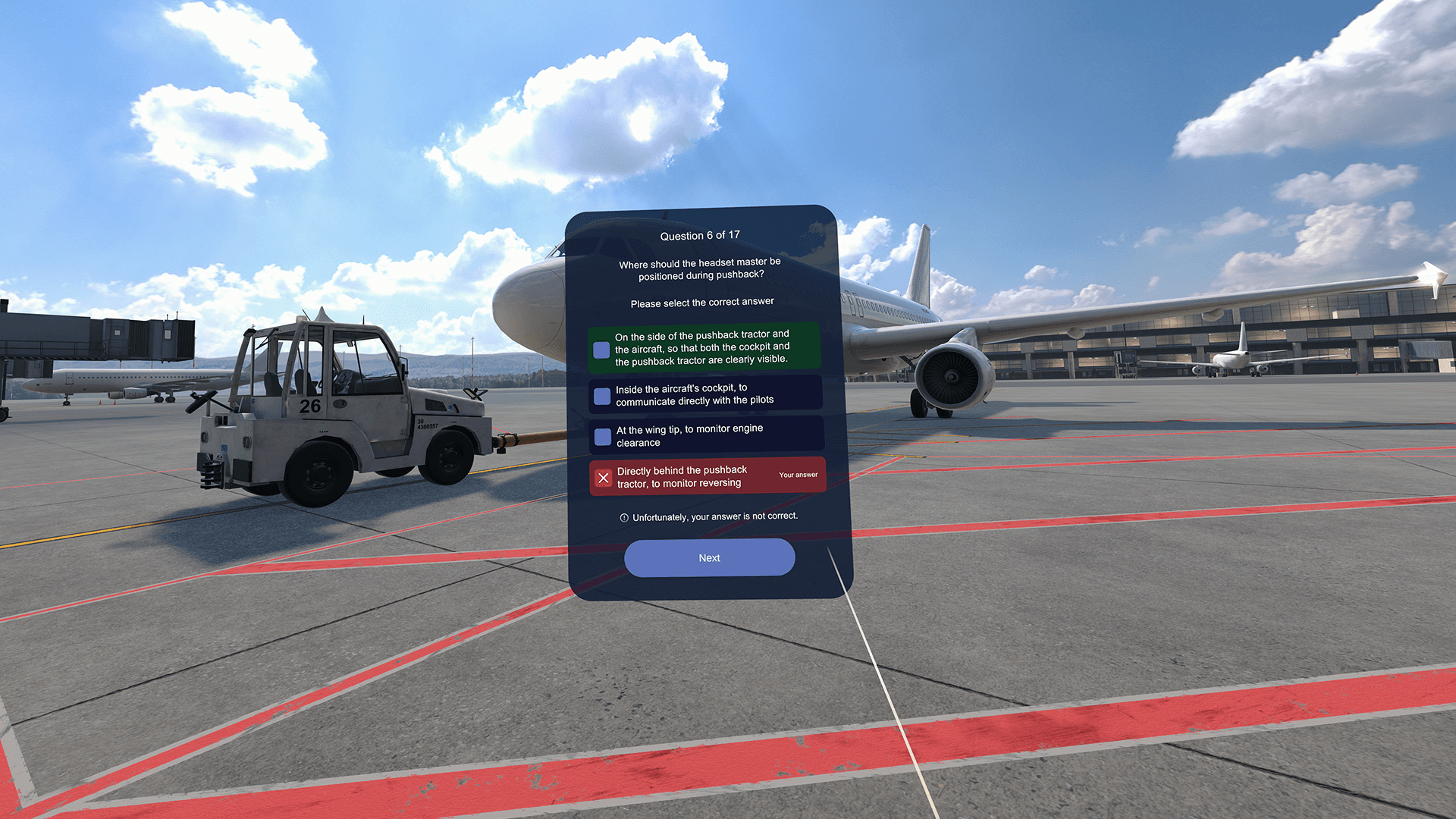
Trainees speak pushback phraseology directly into the headset, replicating real cockpit-to-ground exchanges — while the system automatically evaluates each response for accuracy and correct radio protocol.

Complete Pushback Communication Workflow:
Training covers the full headset communication procedure — from setting up the bluetooth headset system and establishing cockpit contact, through coordinating the pushback maneuver and clearing the cockpit for engine start. Equipment disconnection and final taxi clearance are also included, ensuring trainees can execute every phase confidently before entering live operations.

Engine Safety Awareness:
Trainees experience the dangers of operating near running engines through realistic simulation, including a fatal accident scenario that demonstrates the consequences of entering engine danger zones. This reinforces safe distance discipline and hazard awareness before entering live operations.

Safety-Critical Coordination Training:
Trainees practice the full range of coordination methods used during pushback operations—verbal confirmations, combined with standard hand signals to the pushback driver—building the situational awareness and multi-party coordination skills required for safe live pushback operations.
Meeting the Highest Industry Standards
IATA
Built to meet IATA’s global operational and safety requirements, supporting standardized and efficient aviation practices.

EASA
Aligned with EASA safety and regulatory standards to ensure consistent, reliable, and compliant aviation training.

GDPR
Designed with full GDPR compliance, ensuring secure data handling, privacy protection, and trusted information management.

Ready to start Headset Communication training?
Get everything you need to roll out VR training for your teams.
Questions? We have answers:
What skills are gained in the Headset Communication VR Training module?
The Headset Communication VR Training module teaches ground-handling staff the complete communication procedures required to coordinate aircraft pushback operations as headset master. Trainees learn how to set up the headset communication system, execute standard phraseology for all pushback phases, confirm safety-critical checks, coordinate with the pushback driver using standard hand signals, clear the cockpit for engine start, and provide final equipment disconnection confirmations and taxi clearance. An exam verifies theoretical understanding before trainees progress to live pushback operations.
Are the Headset Communication Training lessons videos to watch?
No. The headset communication lessons are fully interactive VR scenarios where trainees perform the steps themselves—establishing cockpit contact, selecting correct phraseology, giving hand signals, verifying safety conditions, and receiving immediate feedback. This hands-on format is designed to build precise communication habits more effectively than passive video-based training.
Is the Headset Communication VR Training applicable for initial training?
Yes. The module is designed for new starters as foundational preparation. It introduces the complete pushback communication workflow, standard aviation phraseology, and cockpit coordination procedures in a safe environment before trainees participate in supervised live pushback operations.
Is the Headset Communication VR Training applicable for recurrent training?
Partially. The structured communication sequences and exact phraseology requirements make the module well suited for recurrent training, allowing experienced personnel to refresh and standardize their communication procedures. The advanced mode—where trainees select correct phraseology from multiple options—provides meaningful challenge for personnel returning to the training. Additional, more complex lessons are going to be released soon.
Can the Headset Communication VR Training course help reduce time needed for classroom training?
Yes. Because trainees practice the complete communication sequence directly in VR and receive immediate feedback when incorrect phraseology is selected, the module can reduce the time spent drilling communication procedures in theory and increase the time available for higher-value coaching and supervised live practice.
What are the benefits of the Headset Communication VR Training for real-world operations?
The module helps trainees internalize exact standard phraseology and the correct communication sequence—from first cockpit contact through final taxi clearance—without the time pressure of live operations. Practicing these routines in VR reduces miscommunication risk, supports consistent communication standards across teams and stations, and improves readiness for supervised live pushback operations.
Can people with a tendency to motion sickness do the Headset Communication VR training?
Yes, most people can complete the headset communication VR training comfortably. The scenarios are set in stable apron and taxiway environments with controlled movement, and much of the training is position-based communication practice, making it one of the more comfortable VR training experiences available.
Is the Headset Communication VR Training aligned with IATA or EASA standards?
Yes, the training design is aligned with EASA safety principles. The Headset Communication VR training incorporates standardized communication procedures and safety-critical verbal confirmations—such as parking brake verification, steering bypass pin confirmation, engine start clearance protocols, and equipment disconnection sequencing—that reflect the intent of EASA operational training guidance and support safe, compliant pushback operations.