
Power Stow Rollertrack Conveyor
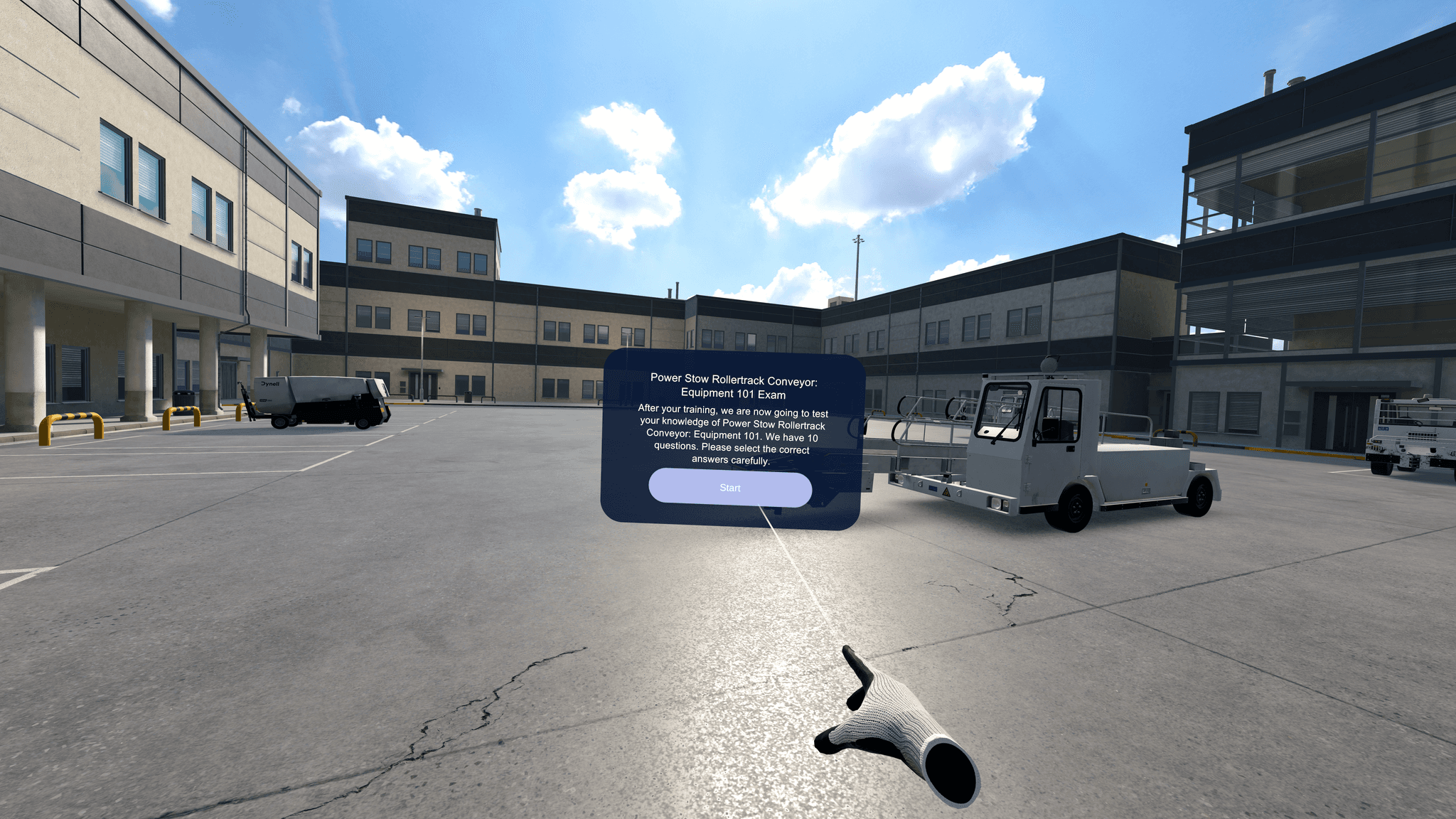
Practical Power Stow Rollertrack Conveyor Training in Virtual Reality: Learn to Inspect & Position the Power Stow Rollertrack Conveyor and practice safe aircraft cargo loading and unloading operations.

Module with 7 lessons across theoretical and practical training.

Covers the complete training journey from equipment familiarization and inspection through to full aircraft cargo operations.

In depth Power Stow Rollertrack Conveyor training with TBD learning minutes.

Available in 7 languages: English, German, Dutch, Spanish, French, Greek, and Arabic.
Training Content
All use cases covered by Draxon Power Stow VR Training
Learning Outcomes
Lessons
Trusted by 25+ airports and ground handlers worldwide















Real Results, Real Feedback
Hear from industry leaders transforming their training programs.
You put on the headset and it is like you are on the ramp. It is very easy to use and feels just like real-life training.
Every step is explained clearly and in detail, making it easy to learn the procedures before going outside. It really bridges the gap between theory and practice
Draxon is easy to use and extremely efficient. Our trainees enjoy the VR trainings, and the knowledge really sticks.

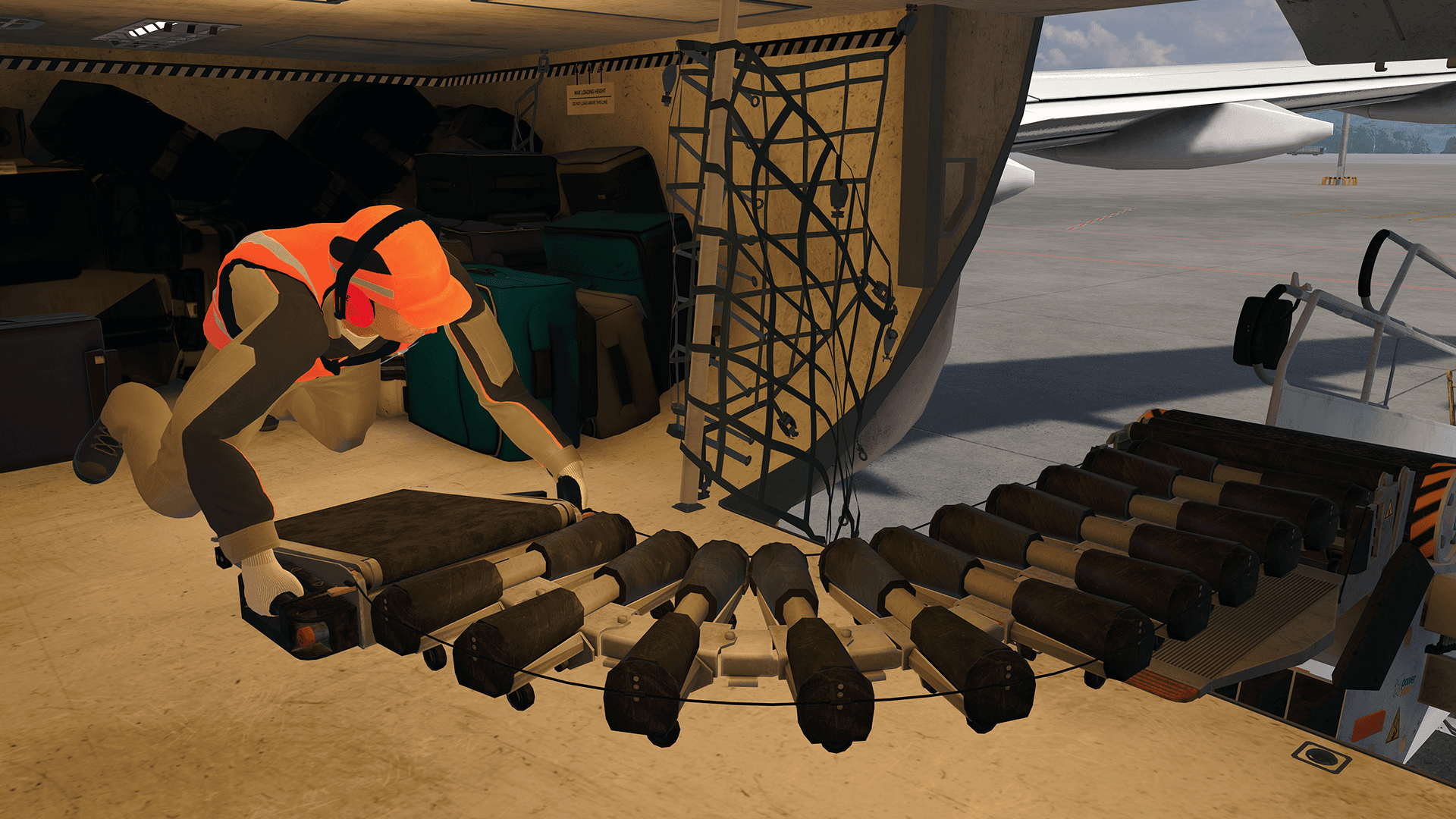
Highlights of the Power Stow Rollertrack Conveyor Training Course
Get to know the key outcomes of the Power Stow Rollertrack Conveyor VR training.

Complete Operation Observation
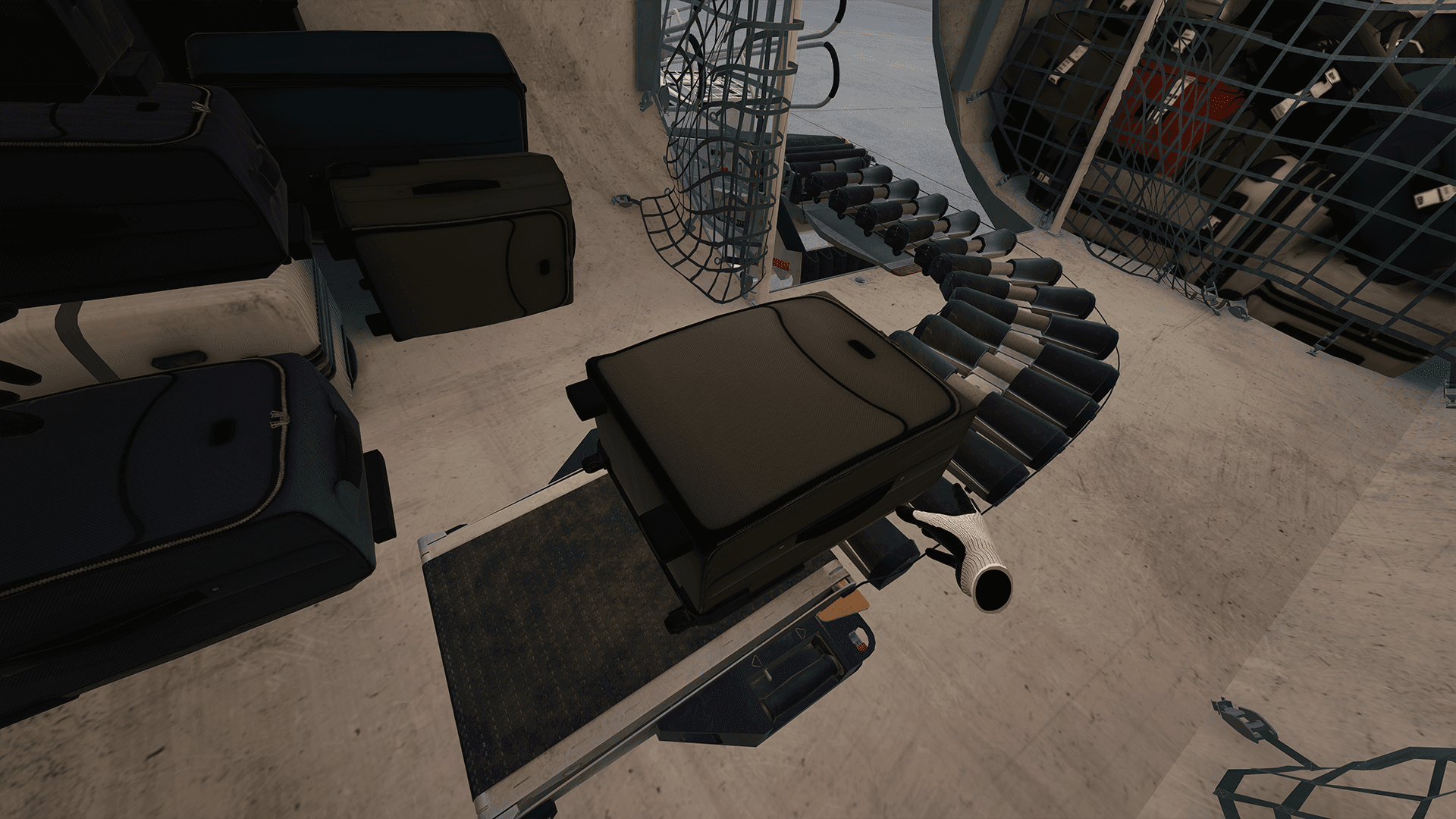
Trainees observe a full Power Stow operation cycle from inside the cargo hold, learning all controls and system capabilities before hands-on practice.

Systematic Pre-Operational Inspection
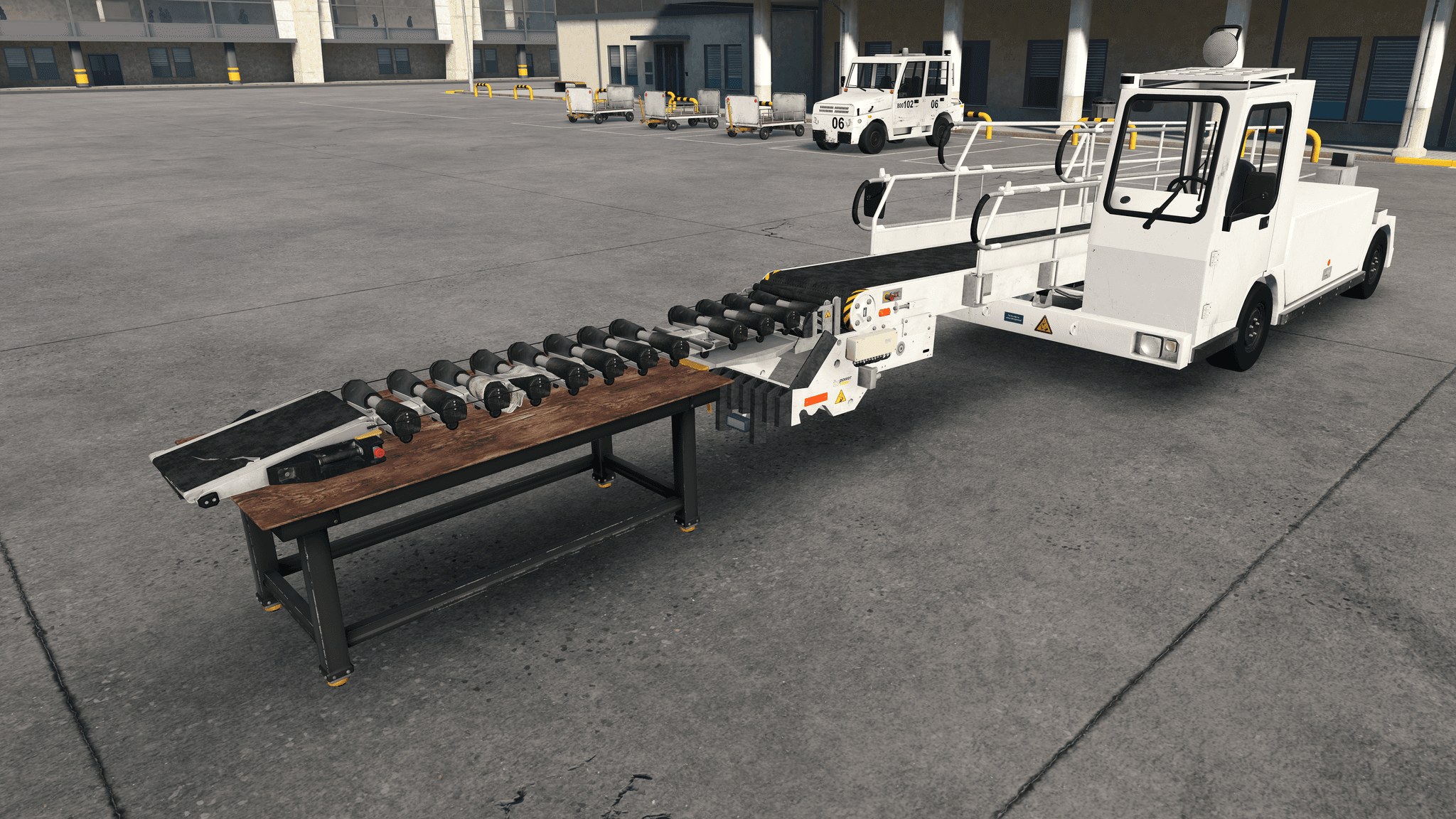
Trainees perform a structured walkaround using a checklist, identifying safety-critical faults and building consistent inspection discipline before every shift.

Positioning and Auto-Level Control
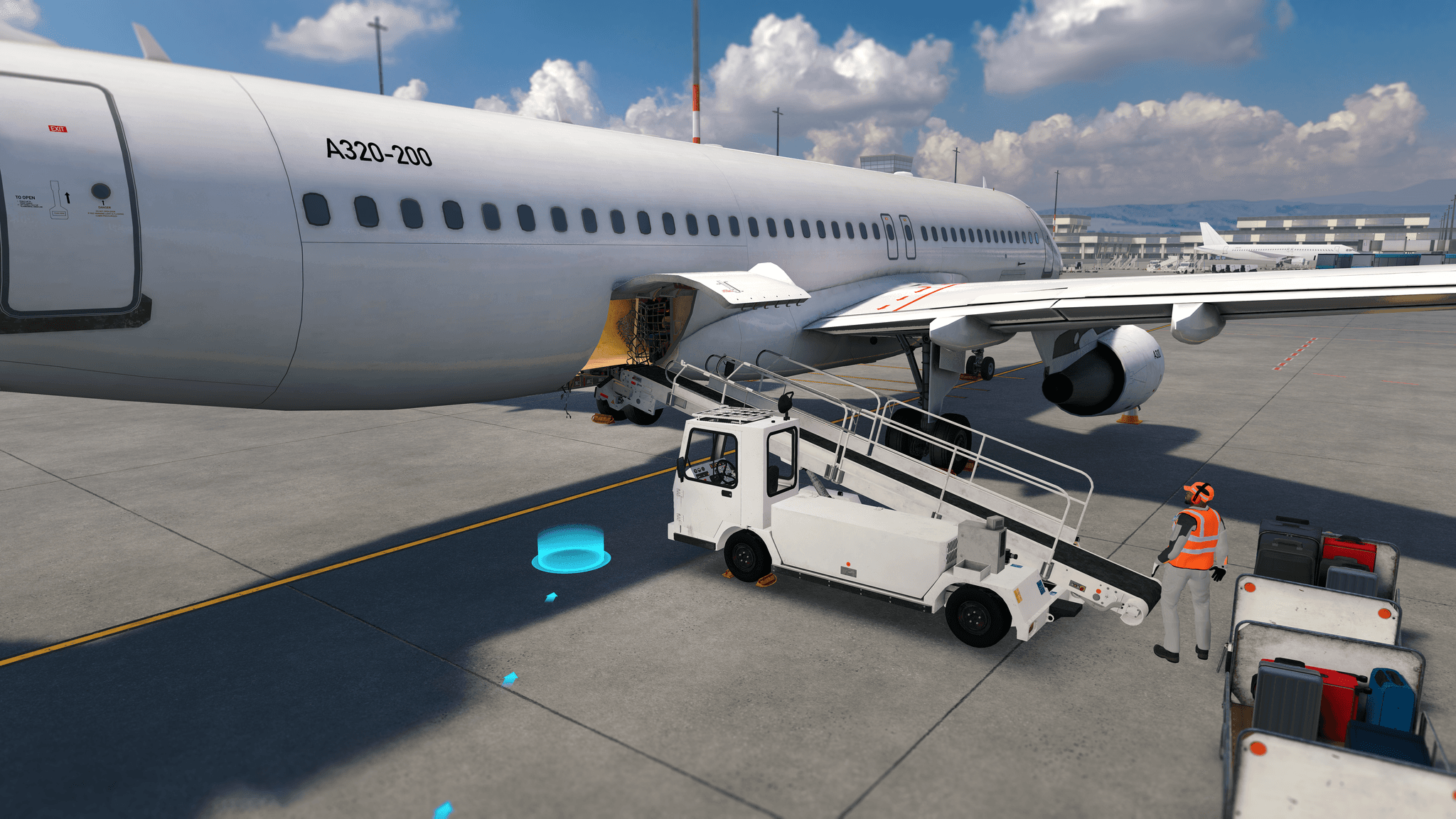
Trains precise aircraft approach, Power Stow positioning, and correct auto-level engagement to set up safely before every cargo operation.

Unloading, Loading, and Safe Departure
Covers the complete cargo handling cycle with built-in error scenarios for signal discipline, aircraft contact prevention, and baggage handling mistakes.
Meeting the Highest Industry Standards
IATA
Built to meet IATA's global operational and safety requirements, supporting standardized and efficient aviation practices.

EASA
Aligned with EASA safety and regulatory standards to ensure consistent, reliable, and compliant aviation training.

GDPR
Designed with full GDPR compliance, ensuring secure data handling, privacy protection, and trusted information management.

Ready to start Power Stow training?
Get everything you need to roll out VR training for your teams.
Questions? We have answers:
What skills are gained in the Power Stow Rollertrack Conveyor VR Training module?
The Power Stow Rollertrack Conveyor VR Training module equips ground handling personnel with the full operational skillset to work safely with the Power Stow system. Trainees observe a complete operation cycle from inside an aircraft cargo hold and examine all key components including movement handles, toggle switches, height adjustment handles, and emergency stops. They practice systematic pre-operational walkaround inspections using structured checklists, identifying safety-critical faults such as damaged emergency stops, broken controls, and structural damage. In the operational lessons, trainees develop confident positioning at the aircraft cargo hold, correct auto-level system engagement, and hold floor verification. They then build proficiency across the complete unloading and loading cycle — including repositioning for full hold access and handling baggage at height — before practicing the correct departure sequence for safe equipment extraction and belt loader repositioning.
Are the Power Stow Training lessons videos to watch?
No. The Basics lesson includes observational learning where trainees watch a colleague demonstrate the complete Power Stow operation cycle from inside the cargo hold, followed by close examination of components. The Walkaround lesson is fully interactive — trainees perform the inspection themselves using a tablet-based checklist and receive immediate feedback on their assessments. The operational lessons (Positioning & Departure, Unloading, Loading) are hands-on simulations where trainees execute each workflow step themselves, with built-in error scenarios providing corrective guidance. This combination of observation and active practice builds both understanding and procedural discipline.
Is the Power Stow Rollertrack Conveyor VR Training applicable for initial training?
Yes. The Power Stow VR Training covers the complete initial training curriculum — from equipment familiarization and walkaround inspection through to aircraft positioning, unloading, loading, and safe departure. New operators can build the full foundational skillset in a safe virtual environment before supervised cargo hold operations, reducing the time and risk associated with on-equipment initial instruction.
Is the Power Stow Rollertrack Conveyor VR Training applicable for recurrent training?
Yes — the Power Stow VR Training is valuable for recurrent training. Certified operators can use it to refresh equipment knowledge, sharpen inspection discipline, and reinforce operational procedures including auto-level engagement, repositioning technique, and departure sequencing. A dedicated recurrent training module is planned and will complement the existing initial training content.
Can the Power Stow Rollertrack Conveyor VR Training module help reduce time needed for classroom training?
Yes. Because trainees practice the full operation cycle — from walkaround inspection through positioning, cargo handling, and departure — directly in VR with immediate corrective feedback, the module significantly reduces time spent on theory and supervised introductory sessions. Instructors can focus on higher-value coaching and live oversight rather than introducing equipment basics and inspection procedures from scratch.
What are the benefits of the Power Stow Rollertrack Conveyor VR Training for real-world operations?
The module helps trainees internalize systematic inspection routines, aircraft approach discipline, and correct cargo handling sequences before working on a live ramp. Understanding equipment controls, auto-level behavior, and safe departure procedures — and having practiced error scenarios for signal coordination, aircraft contact prevention, and baggage handling — reduces avoidable mistakes, supports consistent operational standards across cargo stations, and improves readiness for supervised live operations.
Can people with a tendency to motion sickness do the Power Stow Rollertrack Conveyor VR training?
Yes — less than 3% of trainees report any symptoms. The Power Stow VR Training is designed with purposeful, smooth movement and natural interaction patterns that minimize vestibular conflict, making it accessible and comfortable for the vast majority of trainees.
Is the Power Stow Rollertrack Conveyor VR Training aligned with IATA or EASA standards?
Yes — the Power Stow Rollertrack Conveyor VR Training was developed in alignment with IATA AHM 1110 and IGOM guidelines, and the training design is aligned with EASA safety principles. The module covers IATA-compliant cargo handling procedures including systematic pre-operational inspection, correct equipment positioning at the aircraft, structured unloading and loading sequences, and standardized departure procedures. Safety-critical routines such as walkaround fault identification, emergency stop verification, auto-level engagement, and aircraft contact prevention reflect both IATA ground handling standards and EASA apron safety requirements.